The Core Qualities of a Bhakta Yogi
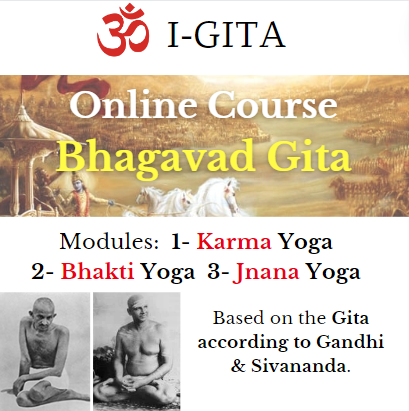
In verses 3 and 4 of Chapter 12, the Yoga of Devotion (Bhakti Yoga) we find these three fundamental characteristics of a Bhakta Yogi:
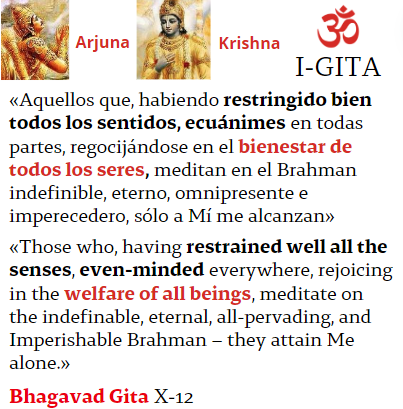
In Chapter 12 of the Bhagavad Gita, known as Bhakti Yoga or the Yoga of Devotion, the conversation between Sri Krishna and Arjuna introduces a profound spiritual insight. While the text explores paths of personal worship, Verses 3 and 4 look closely at the path of those who dedicate themselves to the unmanifested, formless, and indefinable Supreme Spirit (Nirguna Brahman).
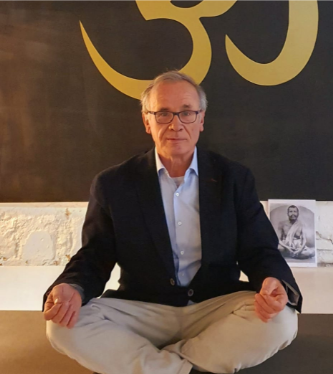
This analysis, featuring translations and commentaries by Pedro Nonell, highlights the practical daily practices required for this advanced study. True devotion is more than an emotional expression; it demands a comprehensive transformation of character. By looking past surface differences, the text details three essential traits that define a true Bhakta Yogi: absolute mastery of the senses, unshakeable mental balance in all circumstances, and an active delight in the well-being of all living things.
Meditation on the Indefinable Brahman: Gita 12.3-4
“Sri Krishna: Those who, having correctly mastered all the senses, ever equanimous, rejoicing in the well-being of all beings, meditate on the indefinable, eternal, omnipresent and imperishable Brahman, they attain Me.” Bhagavad Gita 12.3 - 4 - Yoga of Devotion (Bhakti Yoga).
“ये त्वक्षरमनिर्देश्यमव्यक्तं पर्युपासते | सर्वत्रगमचिन्त्यञ्च कूटस्थमचलन्ध्रुवम् || 3|| सन्नियम्येन्द्रियग्रामं सर्वत्र समबुद्धय: | ते प्राप्नुवन्ति मामेव सर्वभूतहिते रता: || 4||” (Gita 12.3 & 12.4).
These characteristics are:
- Self-control: “correctly mastered all the senses”
- Equanimity: “always equanimous”
- Universal love: “well-being of all the beings”
This verse shows us the path of liberation (“They reach Me”): Moksha.
Commentary by on this verse.
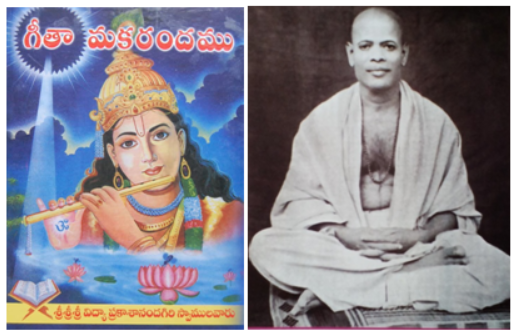
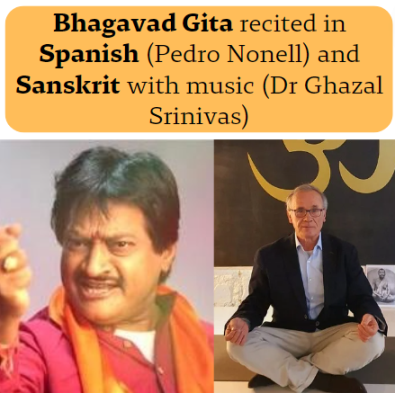
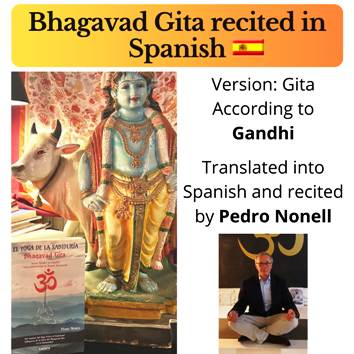
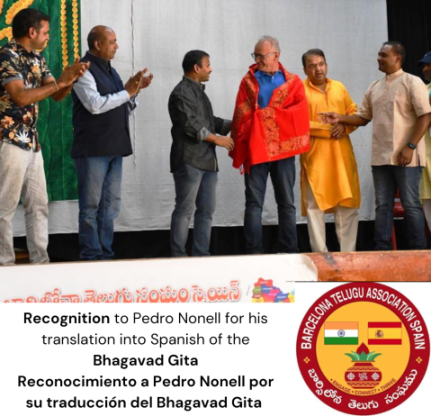
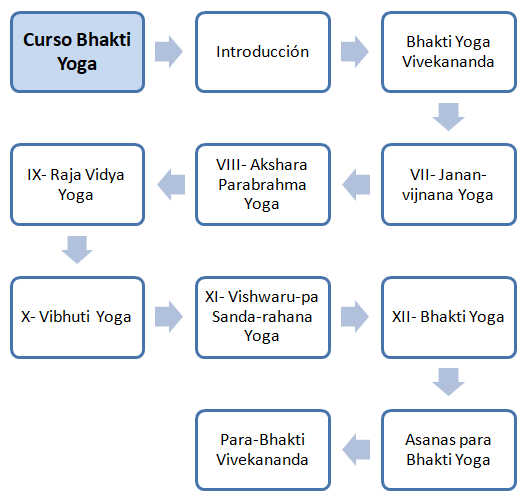
All our advanced training we worked with the Gita Makaranadam by Swami Vidya Prakashananda as well as the Bhagavad Gita according to Gandhi, both translated into Spanish by Pedro Nonell.
The Supreme Reality (Paramatman) manifests as both with form
and formless, Saguna and Nirguna, so the objective of both forms of worship (Universal Form)
is the same. Whatever the method of worship, if practiced with
Faith and
devotion, man attains Paramatman. The Lord mentions the three indispensable qualities of the aspirant in this context:
1. Total self-control
2. Equality of mind
3. Universal love
The seekers should cultivate these three qualities well (Royal Knowledge)
while continuing with their method of worship (Divine Glories).
The word “Samniyamya” is used to emphasize complete control of all the senses;
the word “Sarvatra” emphasizes equanimity at all times and under all
circumstances, and “Sarvabhutahiteratah” emphasizes love for all beings without
any distinction. By meditating thus, the seeker attains the Lord (Brahman)
undoubtedly. Let all seekers examine themselves to what extent they have acquired these basic virtues.”
Frequently Asked Questions (FAQs)
What are the three essential characteristics of a Bhakta Yogi according to Gita 12.3-4?
The text details three core qualities: complete self-control over the senses (Samniyamya), steady mental equanimity across all circumstances (Sarvatra Samabuddhayah), and universal love expressed as rejoicing in the well-being of all living creatures (Sarvabhutahiteratah).
What is the difference between Saguna and Nirguna worship in this chapter?
Saguna worship focuses on a personal Divine presence with specific forms and attributes, while Nirguna worship involves meditating on the formless, unmanifested, and omnipresent Absolute Reality (Brahman). Swami Vidya Prakashananda explains that both paths ultimately lead to the same destination.
How does a Bhakta Yogi show universal love in daily life?
Rather than treating love as an abstract concept, a Bhakta Yogi actively delights in the happiness and well-being of all creation, making no distinctions based on personal preference or social divisions.
What is the meaning of the Sanskrit term Paramatman?
Paramatman refers to the Supreme Self or absolute underlying Spirit. It represents the ultimate divine reality that stays permanent and unchanged throughout the entire universe.
Conclusion
To sum up, Verses 3 and 4 of Chapter 12 provide a beautiful balance within the framework of Bhakti Yoga. Through the detailed translations and commentaries of Pedro Nonell, we learn that deep devotion and analytical knowledge are closely connected aspects of a single spiritual path.
By combining the practical teachings of Mahatma Gandhi and Swami Vidya Prakashananda, it becomes clear that true realization is measured by our inner character. Cultivating total sense control, maintaining mental balance, and practicing universal love helps us look past temporary personal differences. This path transforms daily life into an expression of service, leading to deep inner clarity, a genuine connection with all living things, and a lasting sense of peace.
 Yogui: Autocontrol, ecuanimidad, Amor universal
 Iogue: Autocontrole, equanimidade, Amor universal.
Listen to the video of Pedro Nonell with English subtitles
(c) Gita Institute & Pedro Nonell